1879–1955 · Theoretical physicist
Albert Einstein
Einstein found his physics in his head: in thought experiments. Here you play them through yourself – and get to know the man behind them. Everything backed by sources.
How would you like to start?
Three ways in
Thought Lab
Experiment
26 thought experiments to play yourself: place your bet, try it out, then see what Einstein concluded.
For example:
His Life
Explore his life – or listen to it
From Ulm to Princeton: places, people and turning points, plus every chapter as an audiobook.
New every day
Question of the day
One question a day, the same for everyone – a minute of puzzling.
Your progress
Your star map
The whole story
The 13 chapters, by theme
Read his life in order or jump to whatever interests you. 10 chapters come with an experiment to try.
Life & Times
 01
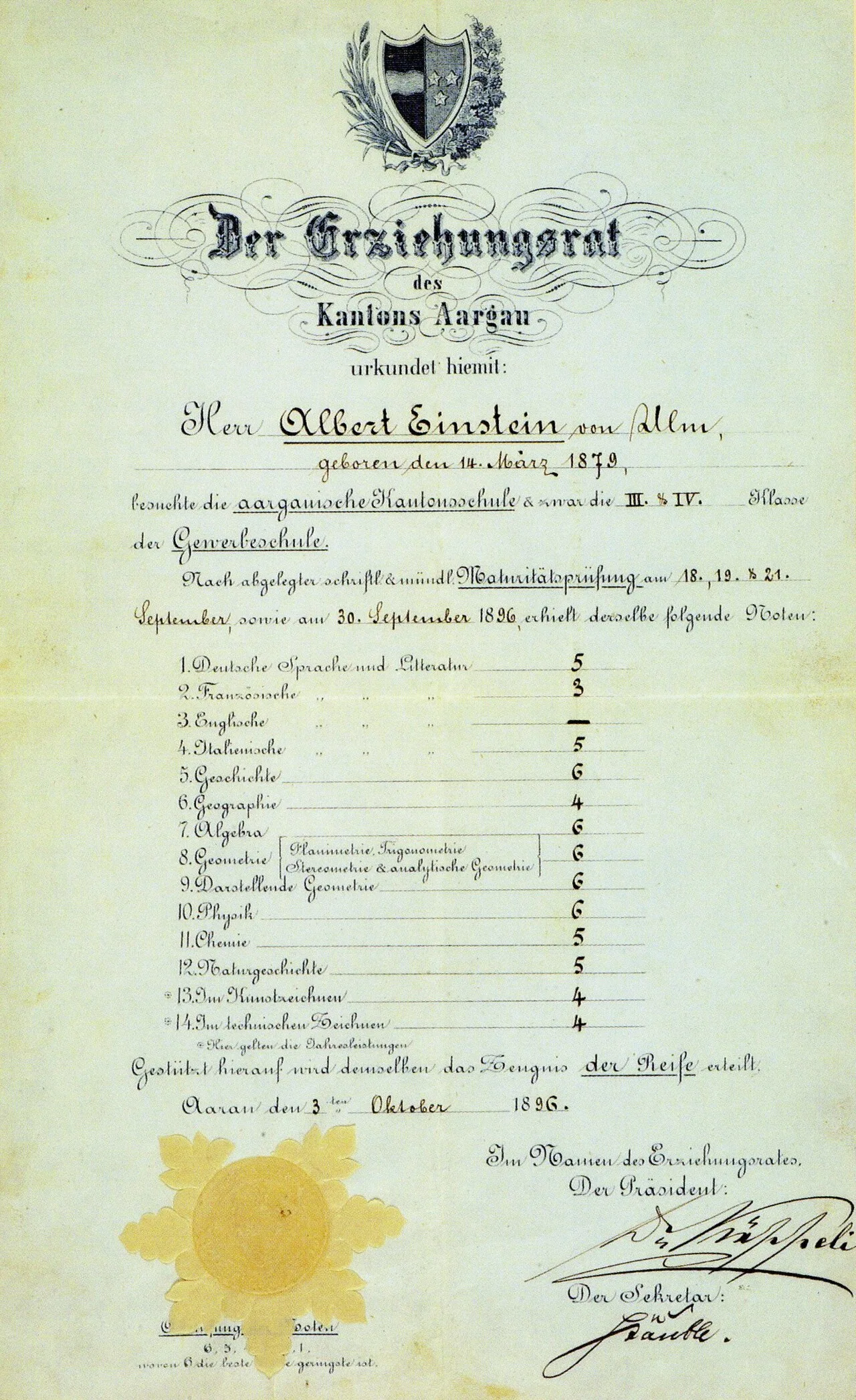
Early Life & Education
Ulm, Munich, a rebellious schoolboy and the road to Zurich (1879–1900). Read Image: Authorities of the Canton of Aargau, Switzerland. Public domain, via Wikimedia Commons (Source)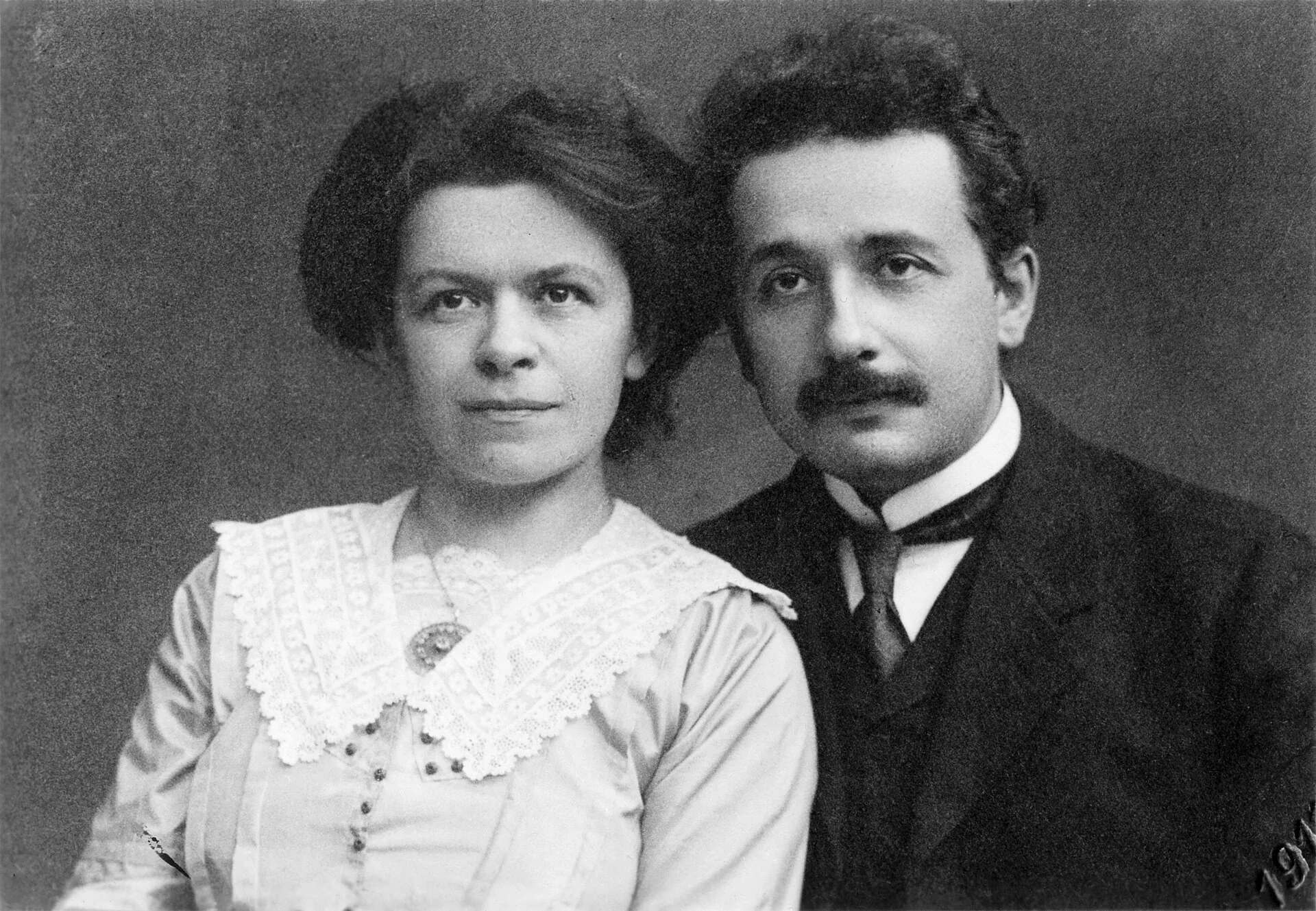 08
Family & Personal Life
Mileva, Elsa, his children — love, brilliance and heartbreak. with experimentRead Image: Unknown author (ETH-Bibliothek Zürich). Public domain, via Wikimedia Commons (Source)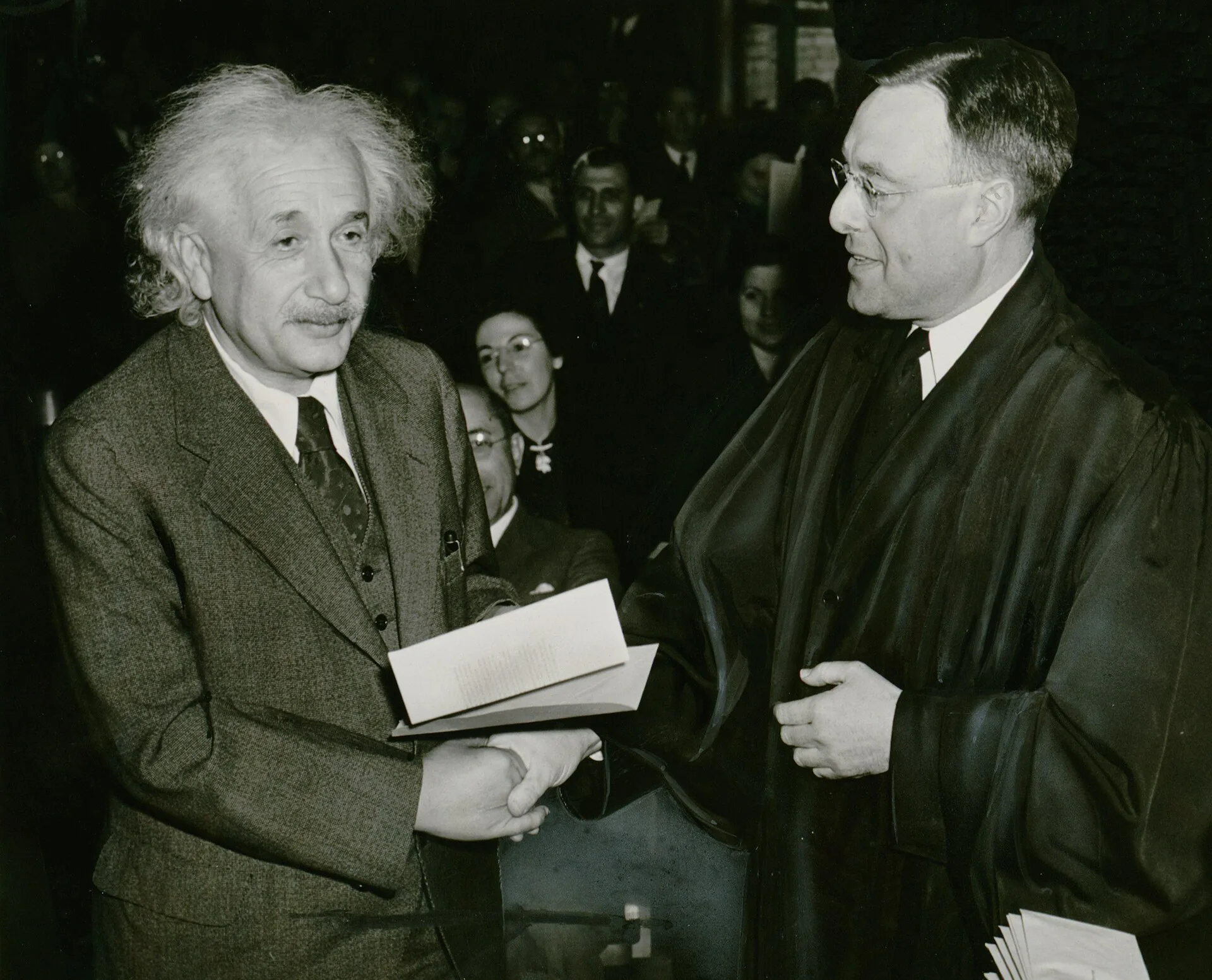 09
Exile & Princeton
Fleeing Nazi Germany and a new life in the United States. with experimentRead Image: Al Aumuller, New York World-Telegram & Sun. Public domain, via Wikimedia Commons (Source)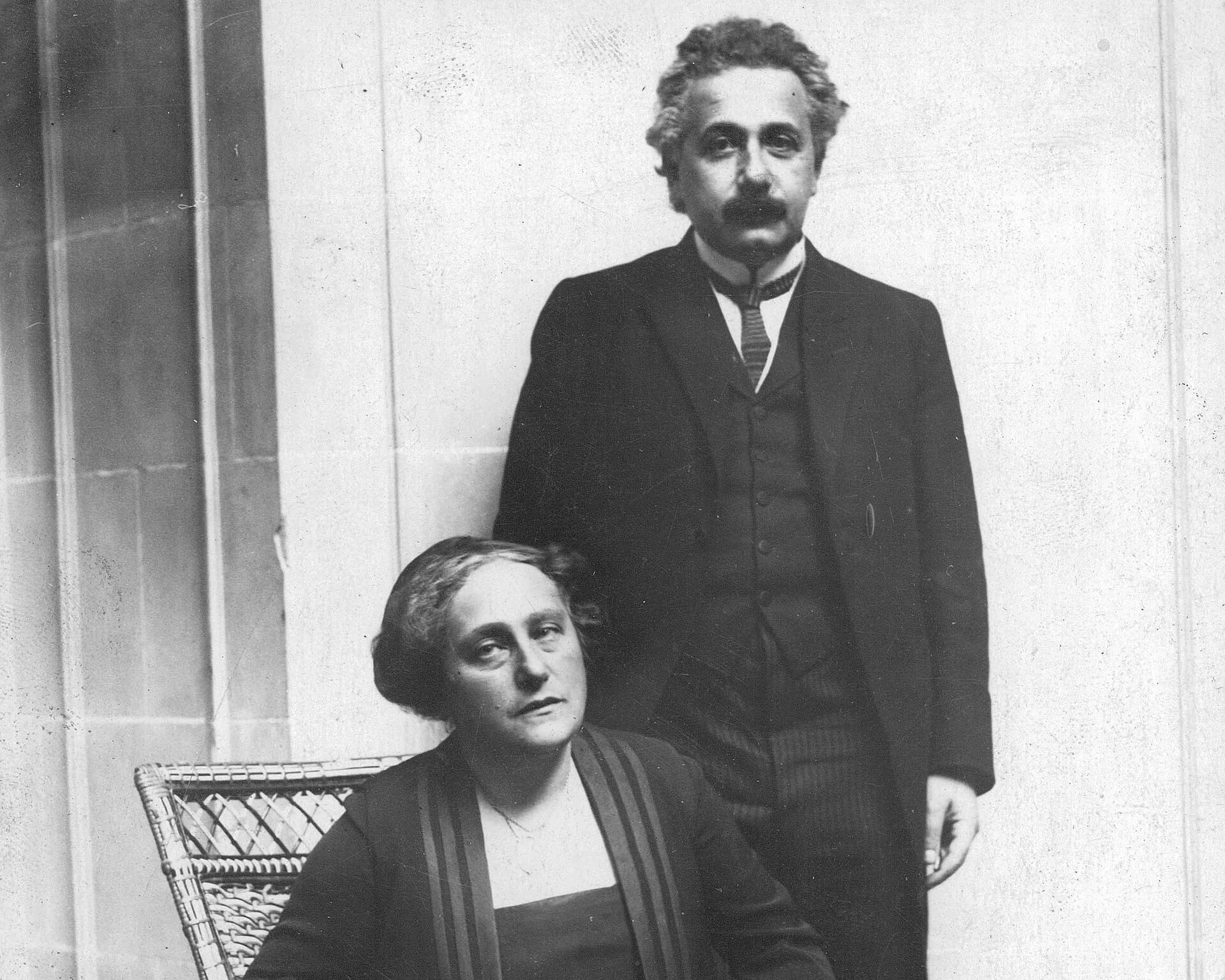 10
Pacifism, Rights & Zionism
A scientist who would not stay silent on war, racism and freedom. Read Image: Archivo General de la Nación, Argentina. Public domain, via Wikimedia Commons (Source)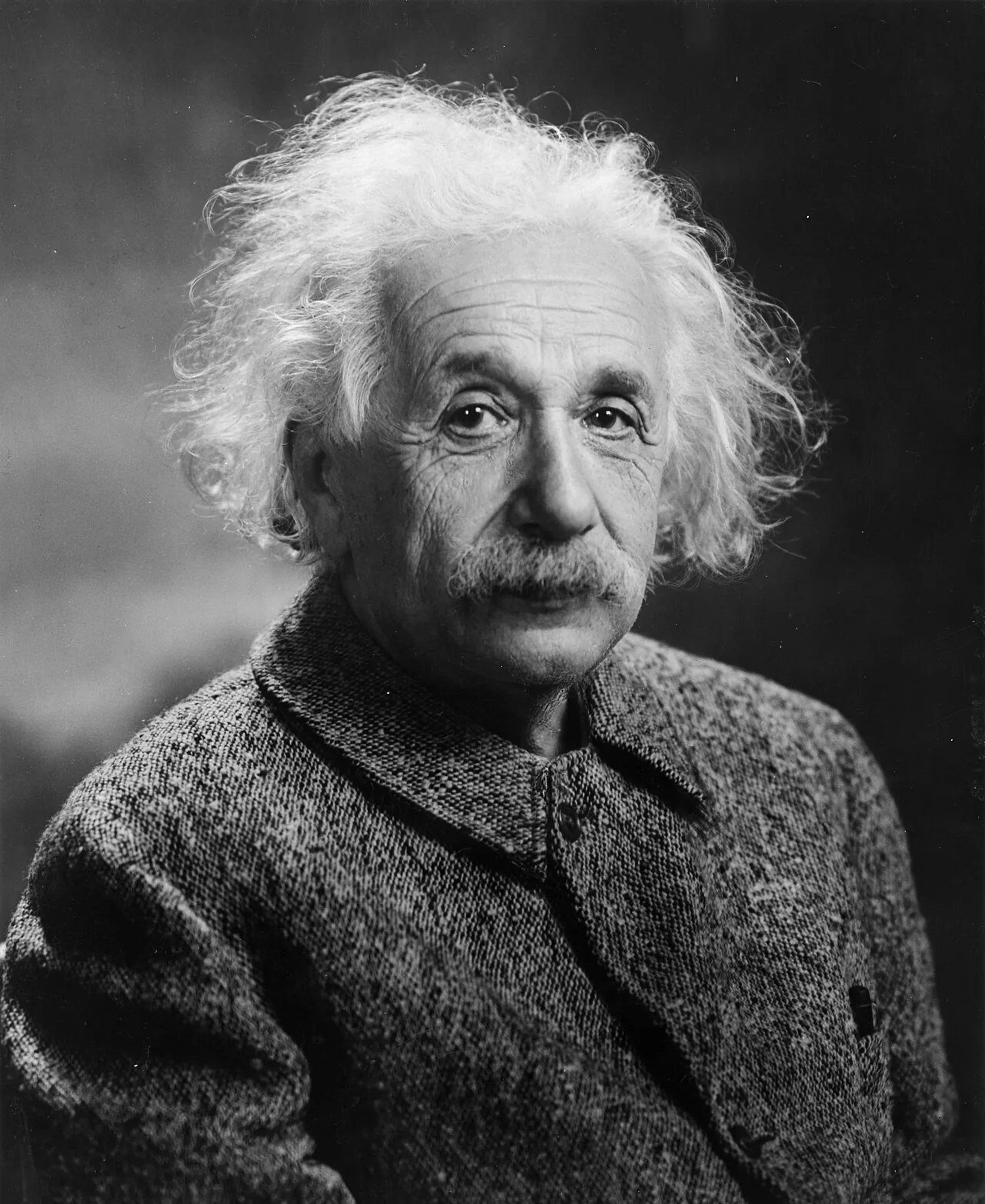 12
Later Years & the Final Quest
The unified field theory, Israel's presidency, and a quiet end. with experimentRead Image: Orren Jack Turner. Public domain, via Wikimedia Commons (Source)The Science
 02
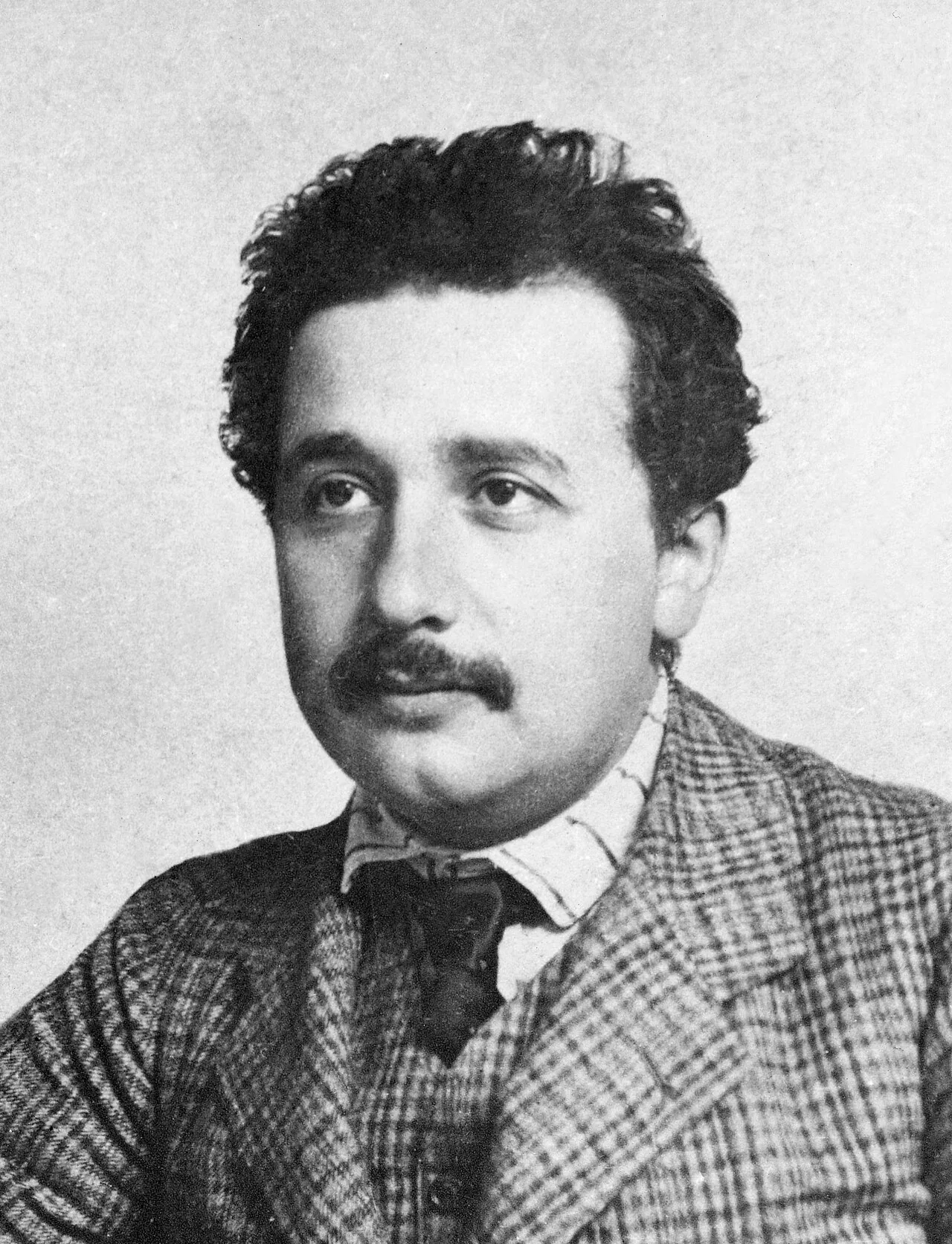
1905 — The Miracle Year
Four papers from a patent clerk that rewrote physics. with experimentRead Image: Lucien Chavan. Public domain, via Wikimedia Commons (Source)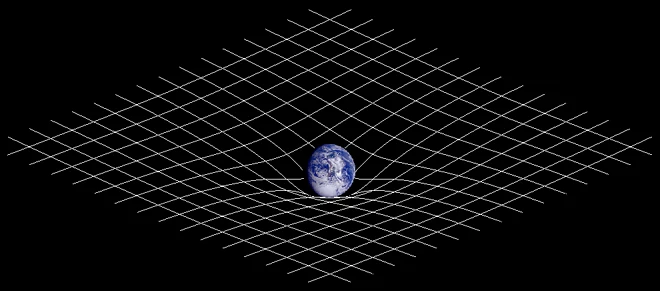 03
Special Relativity
Why time stretches, space contracts and the speed of light is absolute. with experimentRead Image: Johnstone (Wikipedia). CC BY-SA 3.0, via Wikimedia Commons (Source)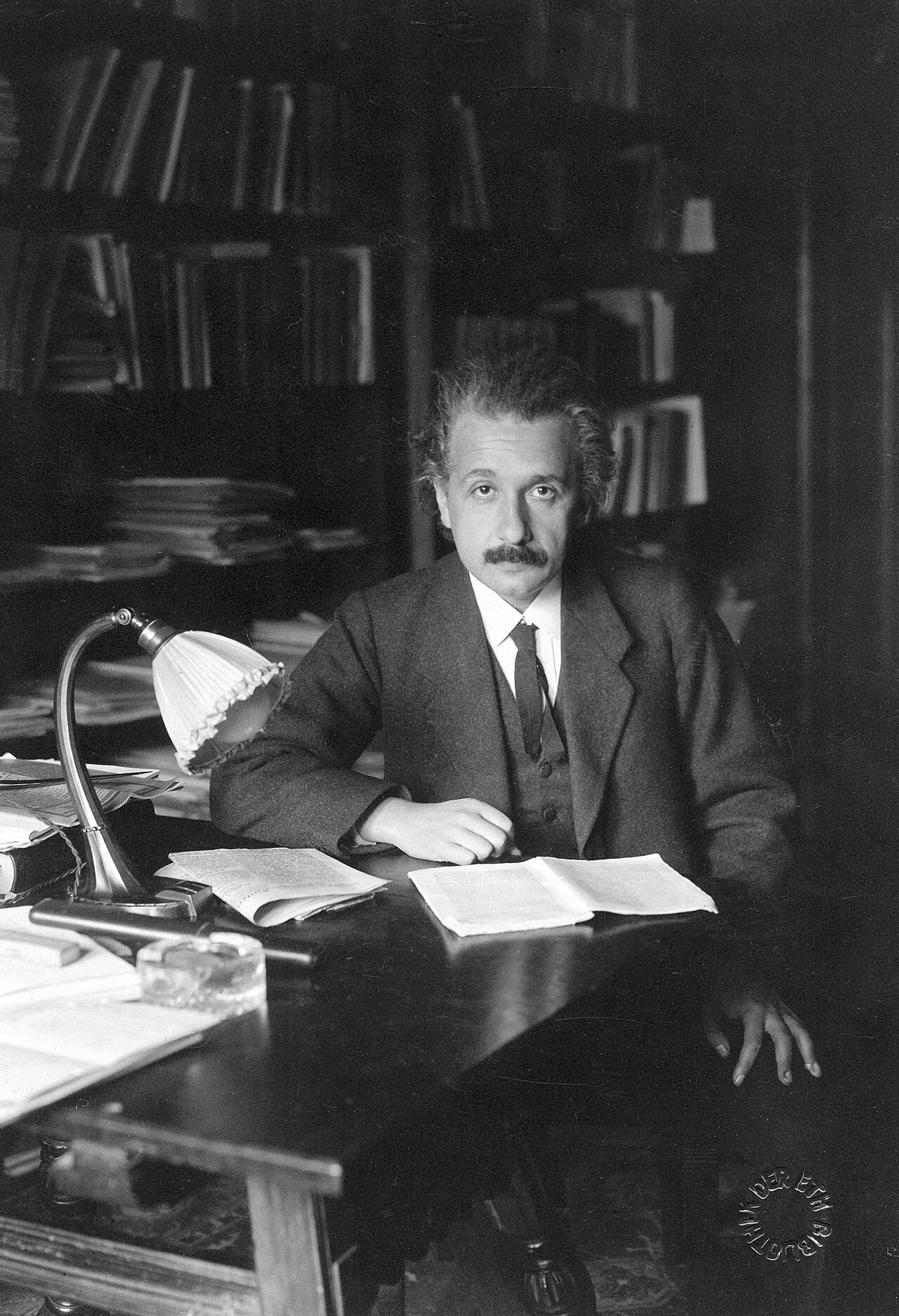 04
E = mc² — Mass & Energy
The most famous equation in the world, explained and made interactive. with experimentRead Image: Unknown photographer (ETH-Bibliothek Zürich). Public domain, via Wikimedia Commons (Source)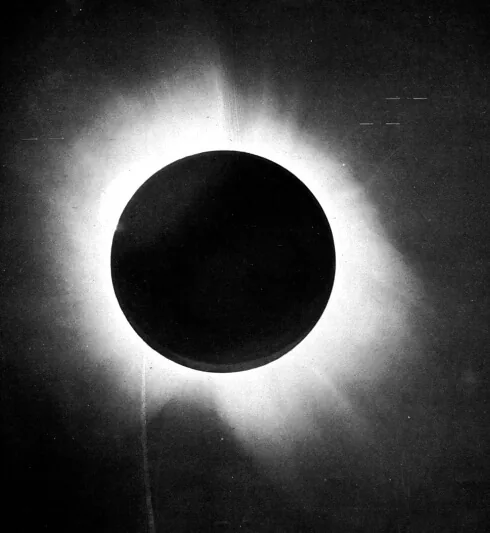 05
General Relativity
Gravity as the curvature of spacetime — and the eclipse that proved it. with experimentRead Image: F. W. Dyson, A. S. Eddington & C. Davidson. Public domain, via Wikimedia Commons (Source)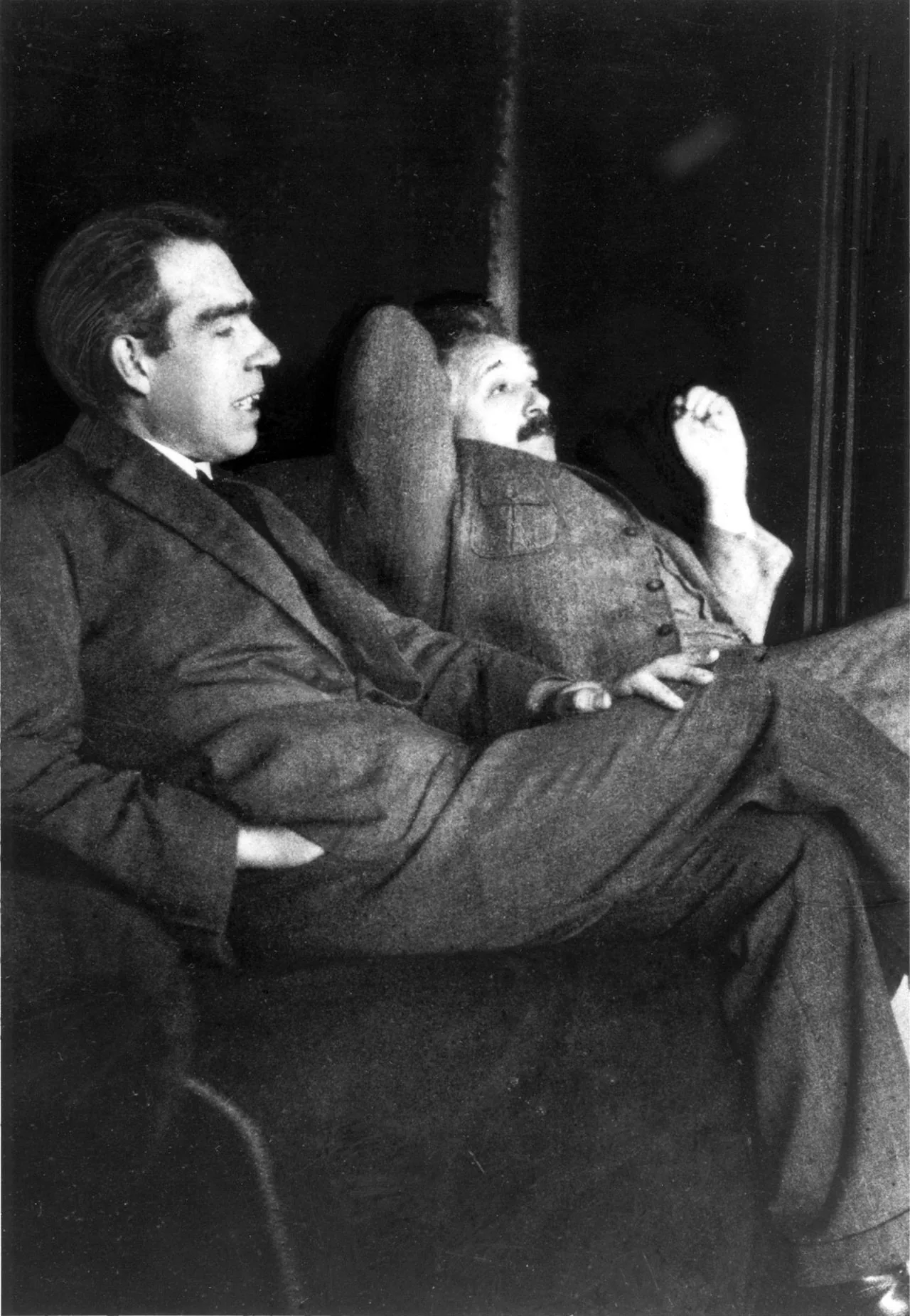 06
Quanta & the Great Debate
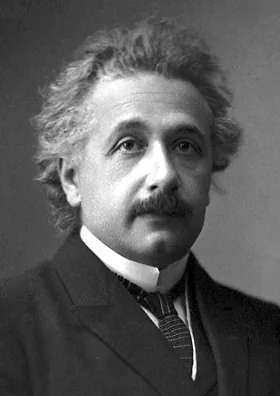
Light quanta, the Nobel work, and Einstein's lifelong argument with the quantum. with experimentRead Image: Paul Ehrenfest. Public domain, via Wikimedia Commons (Source)Fame & Legacy
 07
The Nobel Prize
1921: honoured not for relativity, but for the photoelectric effect. Read Image: Nobel Foundation (photo possibly Herman Mishkin). Public domain, via Wikimedia Commons (Source)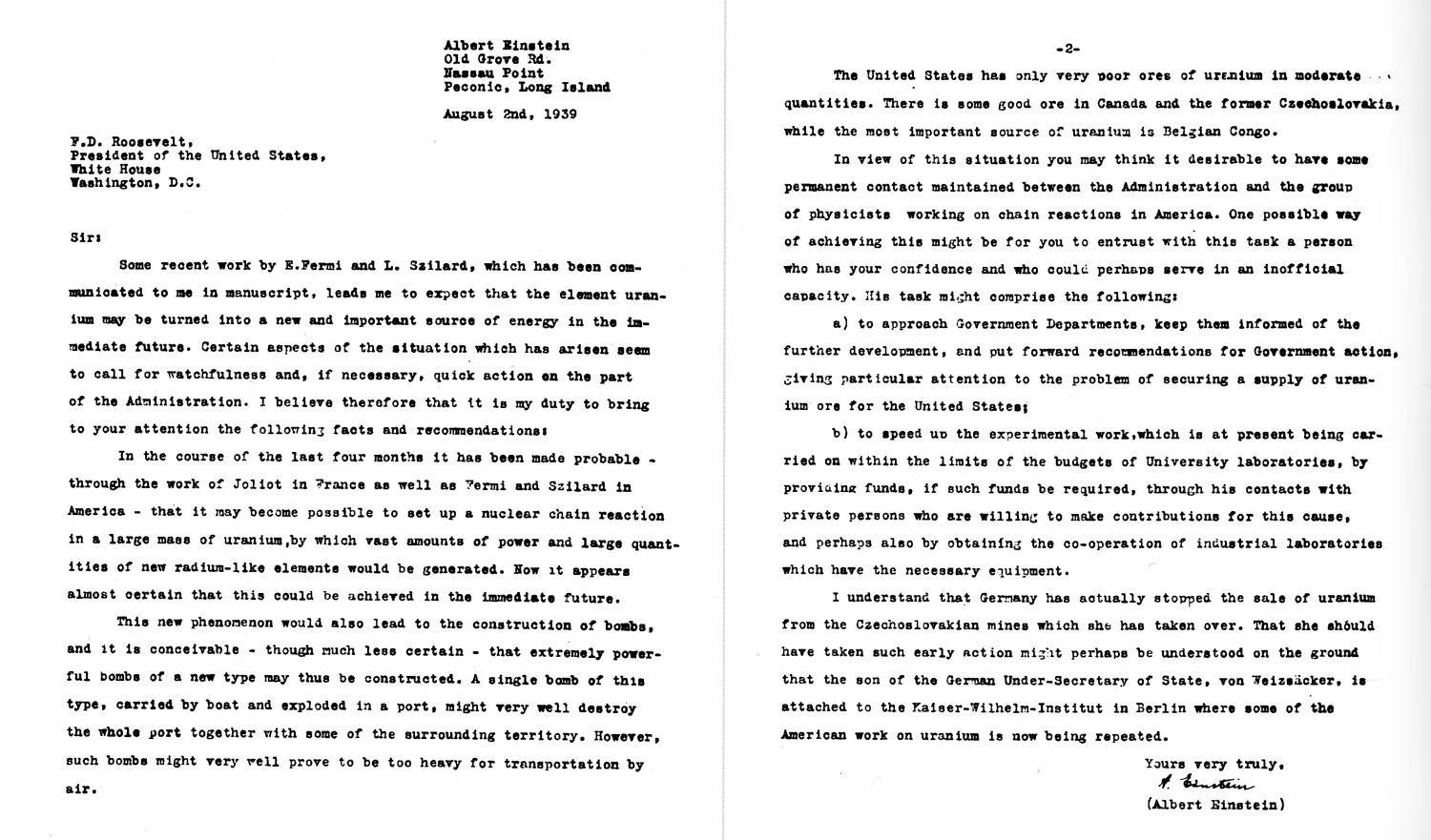 11
The Letter & the Bomb
The 1939 warning to Roosevelt — and Einstein's lasting regret. with experimentRead Image: Albert Einstein & Leó Szilárd (letter text). Public domain, via Wikimedia Commons (Source)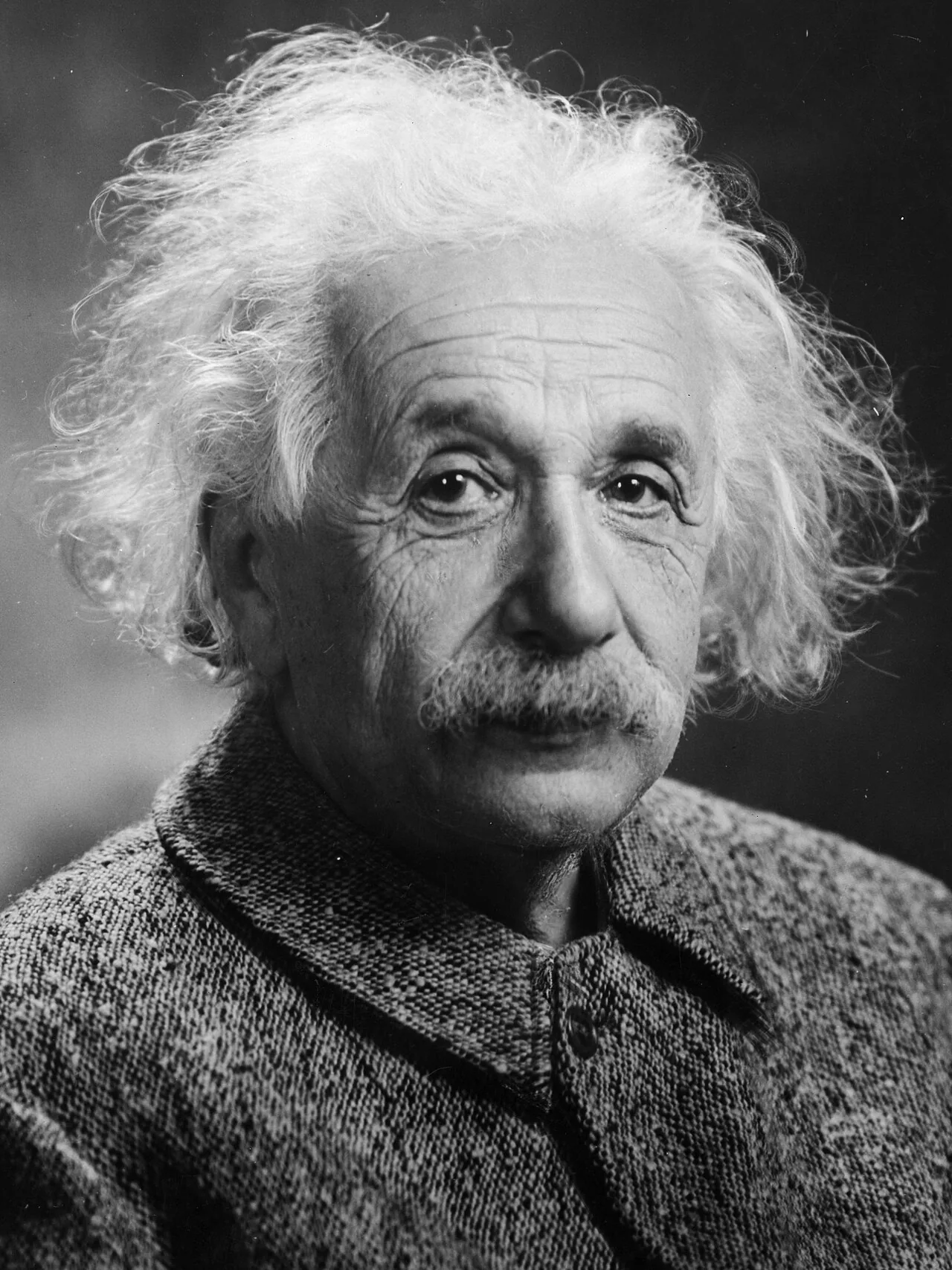 13
Death, Brain & Legacy
How one mind reshaped science, culture and our picture of reality. with experimentRead Image: Orren Jack Turner, Princeton, N.J.. Public domain, via Wikimedia Commons (Source)Why he still matters
One mind that bent reality
In a single year, an unknown clerk in a Swiss patent office gave the decisive argument that atoms are real, explained the light that powers solar panels, and showed that time itself is not absolute. A decade later he rewrote gravity. Here is everything — explained for curious humans.
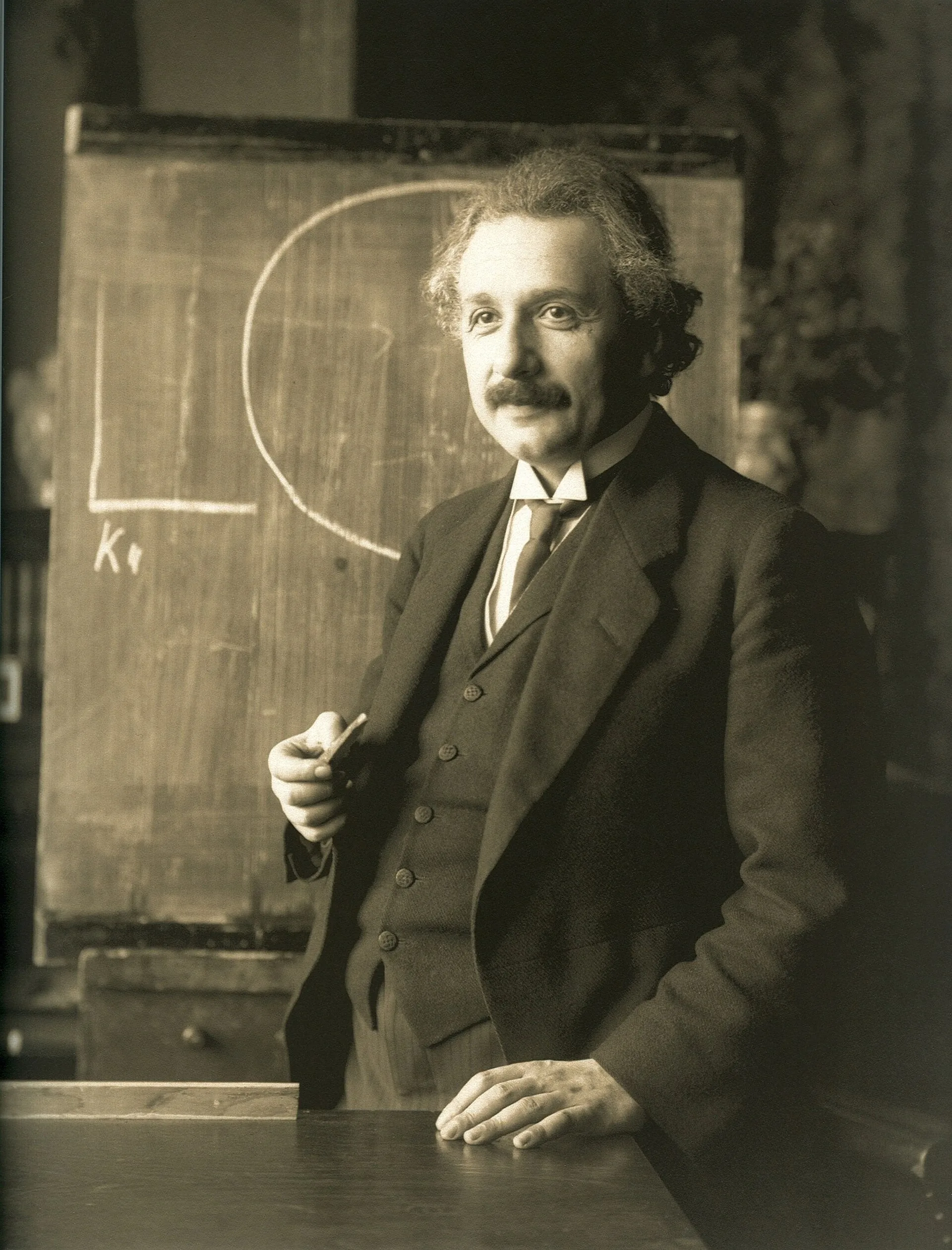 Image: Ferdinand Schmutzer, 1921 (restoration: Adam Cuerden). Public domain, via Wikimedia Commons.
Asked in 1929
“Then you trust more to your imagination than to your knowledge?”
“I am enough of the artist to draw freely upon my imagination. Imagination is more important than knowledge. Knowledge is limited. Imagination encircles the world.”